
I have a confession.
Agencies lie. For years, my agency did it too.
We sold you websites built on “Page Builders” like Divi or Elementor. extendedIDEA told you it was for your benefit. We said, “Look, you can drag and drop your own changes. It is easy.”
That was nonsense.
We actually used them because it was profitable for us.
It felt like magic for our developers. We could drag a button, animate a section, and hit publish in a few days. It allowed us to finish jobs fast and get paid. But we made a mistake.
We made our job easier. But we made your customers wait longer.
The Pizza Truck Problem
Here is why those “easy” page builders are dangerous for your business.
Imagine you order a single pizza for dinner. You expect a delivery boy on a bike. But instead, a massive 18-wheeler moving truck pulls up to your driveway.
You end up paying for the truck’s fuel, the driver’s time, and all that wasted capacity just to deliver a single pizza to your door.
That is how a page builder works.
When you put a simple text paragraph on your site, the page builder wraps it in layers of unnecessary code. It loads heavy scripts for maps, sliders, and forms on every single page. Even if that page only has text.
It creates a “soup” of code. Google hates this soup. It has to dig through the junk to find your actual content. If Google struggles to read your site, it won’t rank your site.
The “Slowness Tax” on Your Ads
This is not just a tech problem. It is a money problem.
If you run ads on Google or Facebook, a slow website is burning your cash.
Google gives your ads a “Quality Score.” One of the biggest factors is your Landing Page Experience. If your site is slow, Google lowers your score.
When your score drops, your Cost Per Click goes up.
You are paying a “slowness tax” on every single click. You pay more than your competitors for the same lead.
And nobody waits anymore.
If your site takes more than 3 seconds to load on a mobile phone, 53% of people leave. They bounce. You paid for the click. They left before they saw your headline. You just threw money away.
The Fix: We Went Native
We realized we were handing our clients a liability. So we made a hard pivot.
We banned page builders from our agency.
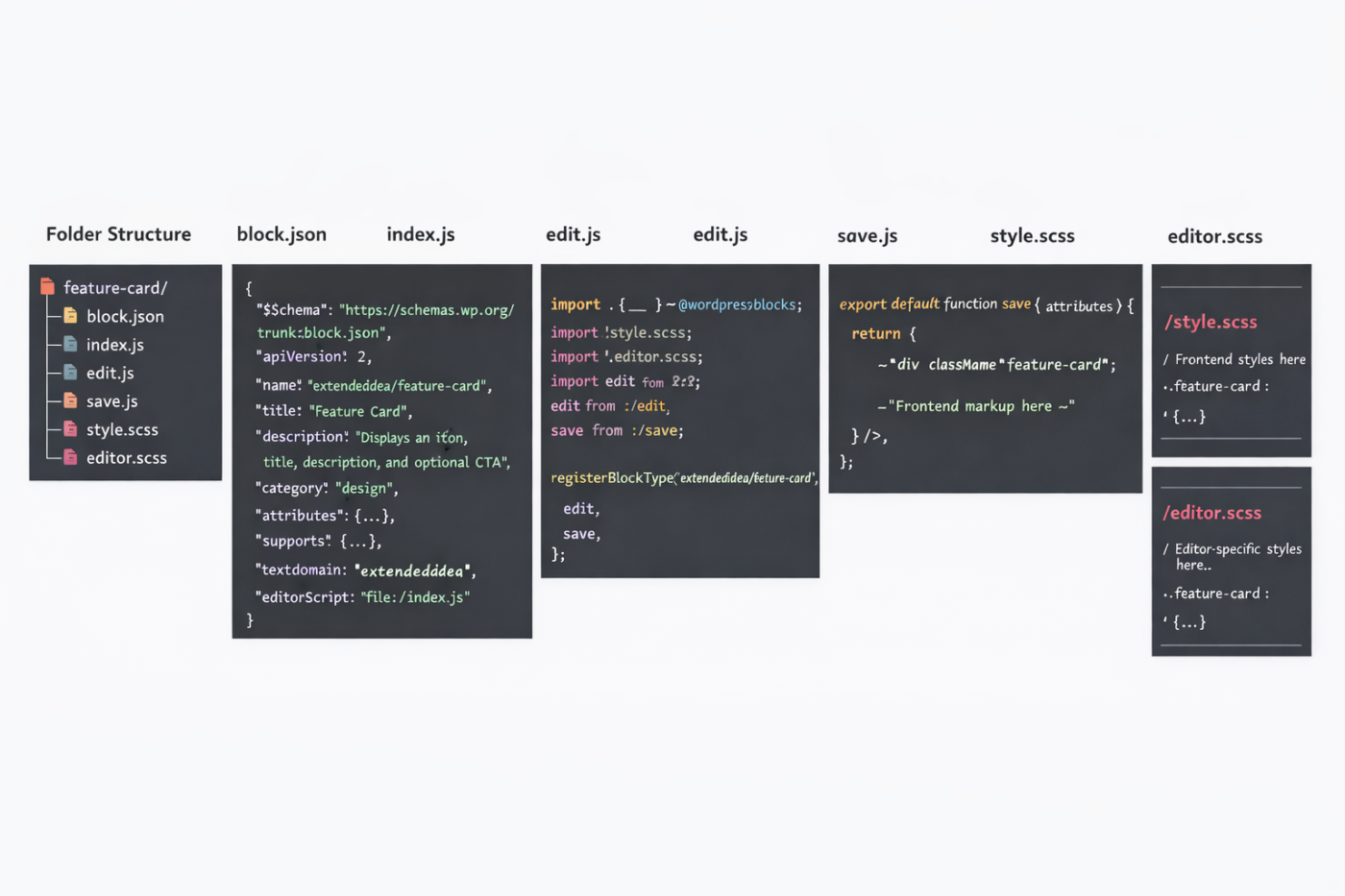
We moved to Native WordPress Blocks.
This means we stopped using heavy software that hijacks the system. We started building in WordPress’s native language.
It is lean. It is efficient.
Think of it as building with Lego bricks rather than glue and clay. If we need to change a button style, we update it once. It updates instantly across 500 pages. No bloat. No heavy code. It is also safer. Page builder plugins often break when WordPress updates. Native blocks are WordPress. They don’t break. You get an asset that lasts for 5 years, not 2.
The Result
Since we made the switch, the data changed completely.
- Load time dropped from 3.5 seconds to 0.8 seconds.
- Mobile speed scores went from a red 45 to a green 98.
- Server costs went down by 40% because the code is lighter.
But the most important thing is the business impact. Clients are seeing higher “Time on Page.” People are actually staying long enough to read the offer.
Stop Asking for “Easy”
Your website is an employee. It works 24/7.
If you hired a salesperson who took 4 seconds to say “Hello” to every customer, you would fire him.
Why do you let your website do it?
Stop asking your agency for “easy to edit.” Start asking them for “efficient.”
If you think your website is the bottleneck, let’s look at the data. DM me the word ‘SPEED,’ and I will run a free audit to see how much ad budget you are leaking.